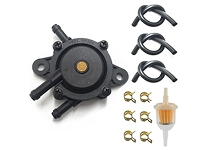
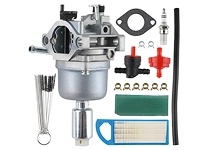





How often should I replace the fuel filter?
It is recommended to replace the fuel filter every 20,000 to 30,000 miles or as per the manufacturer's guidelines. However, if you frequently drive in dusty or contaminated environments, it is advisable to replace it more frequently.
What are the signs of a failing fuel pump?
Some common signs of a failing fuel pump include difficulty starting the vehicle, engine sputtering at high speeds, loss of power during acceleration, and frequent stalling. If you experience any of these symptoms, it is recommended to have your fuel pump inspected by a qualified technician.
Can a clogged fuel injector affect fuel efficiency?
Yes, a clogged fuel injector can lead to decreased fuel efficiency. When a fuel injector is clogged, it fails to deliver the precise amount of fuel required, affecting the overall combustion process. This can result in poor mileage and increased fuel consumption.
How can I maintain my throttle body?
Regular cleaning of the throttle body is essential to maintain its functionality. You can use a throttle body cleaner and a soft brush to remove any carbon deposits or dirt. It is recommended to follow the manufacturer's instructions and consult a professional if needed.
What are the benefits of regular fuel system maintenance?
Regular fuel system maintenance ensures optimal performance and extends the life of the fuel system components. It helps prevent issues such as clogged fuel lines, injector failures, and fuel pump malfunctions. Additionally, it improves fuel efficiency and reduces the risk of costly repairs.
Are there any additives available to improve fuel system efficiency?
Yes, there are fuel additives available in the market that can help improve fuel system efficiency. These additives can clean fuel injectors, remove deposits from the intake valves, and enhance combustion. It is important to choose additives from reputable brands and follow the manufacturer's instructions for proper usage.
Can a damaged fuel system affect engine performance?
Yes, a damaged fuel system can significantly impact engine performance. Issues like insufficient fuel supply, contaminated fuel, or malfunctioning components can lead to poor acceleration, reduced power, and increased emissions. Timely repairs and maintenance of the fuel system are necessary to avoid such complications.
What should I do if I suspect a fuel system problem?
If you suspect a fuel system problem, it is advisable to have your vehicle inspected by a qualified mechanic. They can diagnose the issue using specialized equipment and recommend the necessary repairs or replacements. Ignoring fuel system problems can lead to more severe issues and costly repairs.